Are M&S, ProCook and Tefal pans PFAS-free?
What M&S, ProCook, Tefal, Salter and HexClad say about PTFE and PFAS, what independent tests have found, and how to check which coating your own pan has.
Is a scratched non-stick pan dangerous? When to replace it
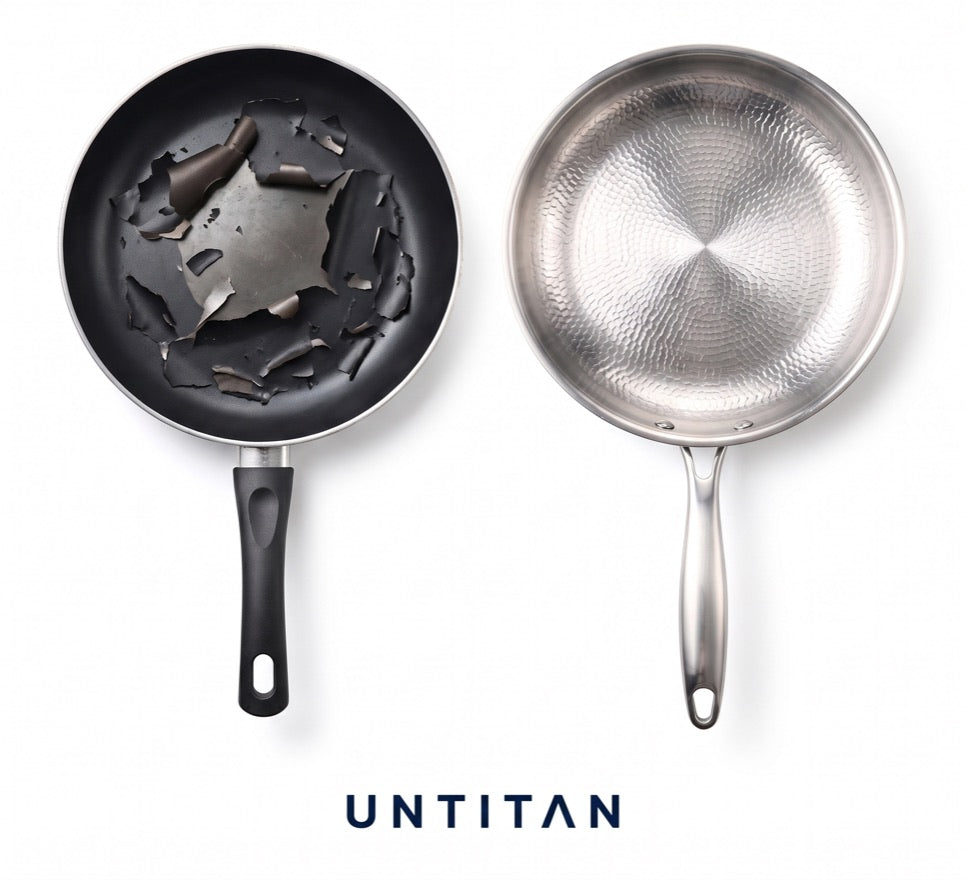
Scratches, blistering, a coating that is flaking off: what the BfR says about swallowed PTFE particles, what the Australian study really measured, when to replace your pan and what guarantees cover.

Are ceramic pans safe? What ‘ceramic’ non-stick really is
Ceramic frying pans are sold as the healthy alternative to Teflon. Here is what the coating really is, what independent tests show about how long it lasts, and who it suits.
Are PFAS frying pans being banned in the UK?
What the UK PFAS Plan, the Environmental Audit Committee and the government's response say about non-stick frying pans, and where the EU restriction stands.
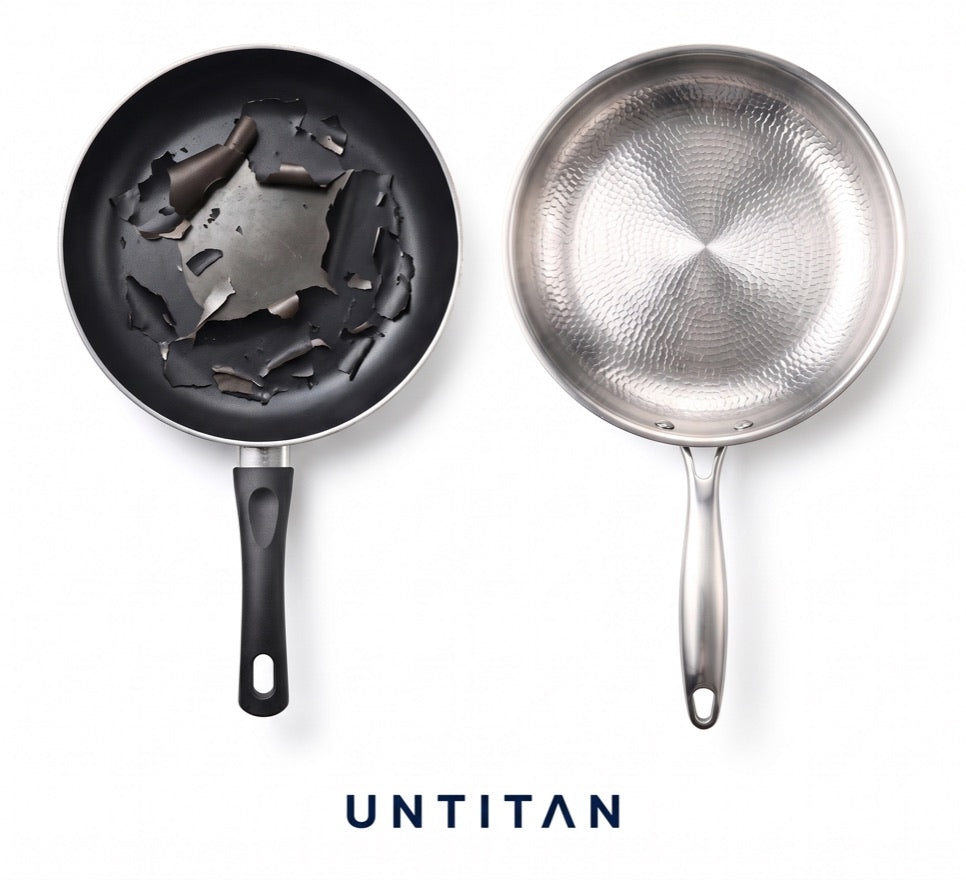
What is the healthiest frying pan? Materials compared
No frying pan has been proven the healthiest. Here is what regulators, Which? and independent tests have found for each material, and how to choose the right pan for the way you cook.
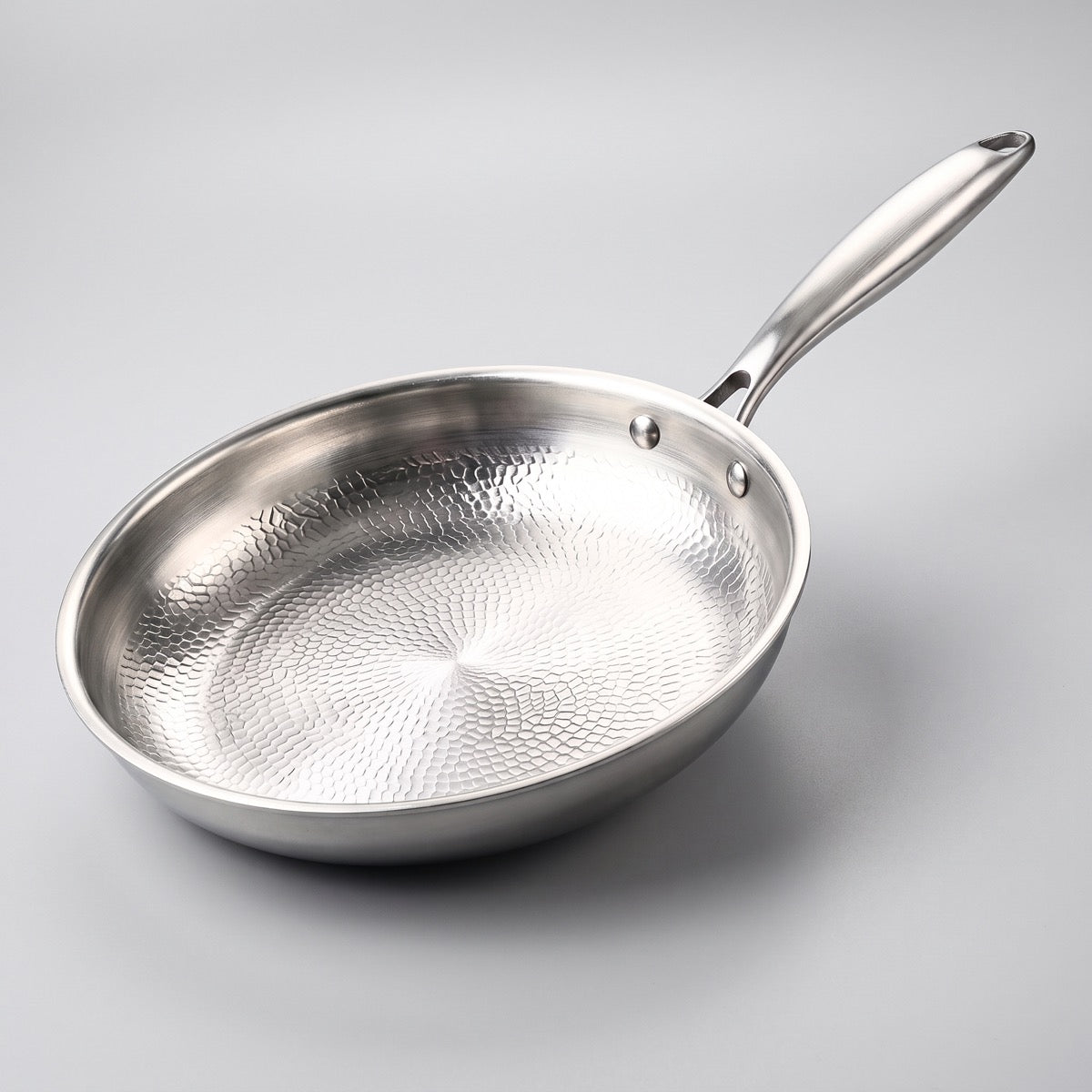
PTFE, PFOA and PFAS: what's really in a non-stick pan
PTFE, PFOA, GenX and PFAS explained in plain English: what regulators and Which? say, why PFOA-free is not PFAS-free, and how to spot a PTFE coating before you buy.
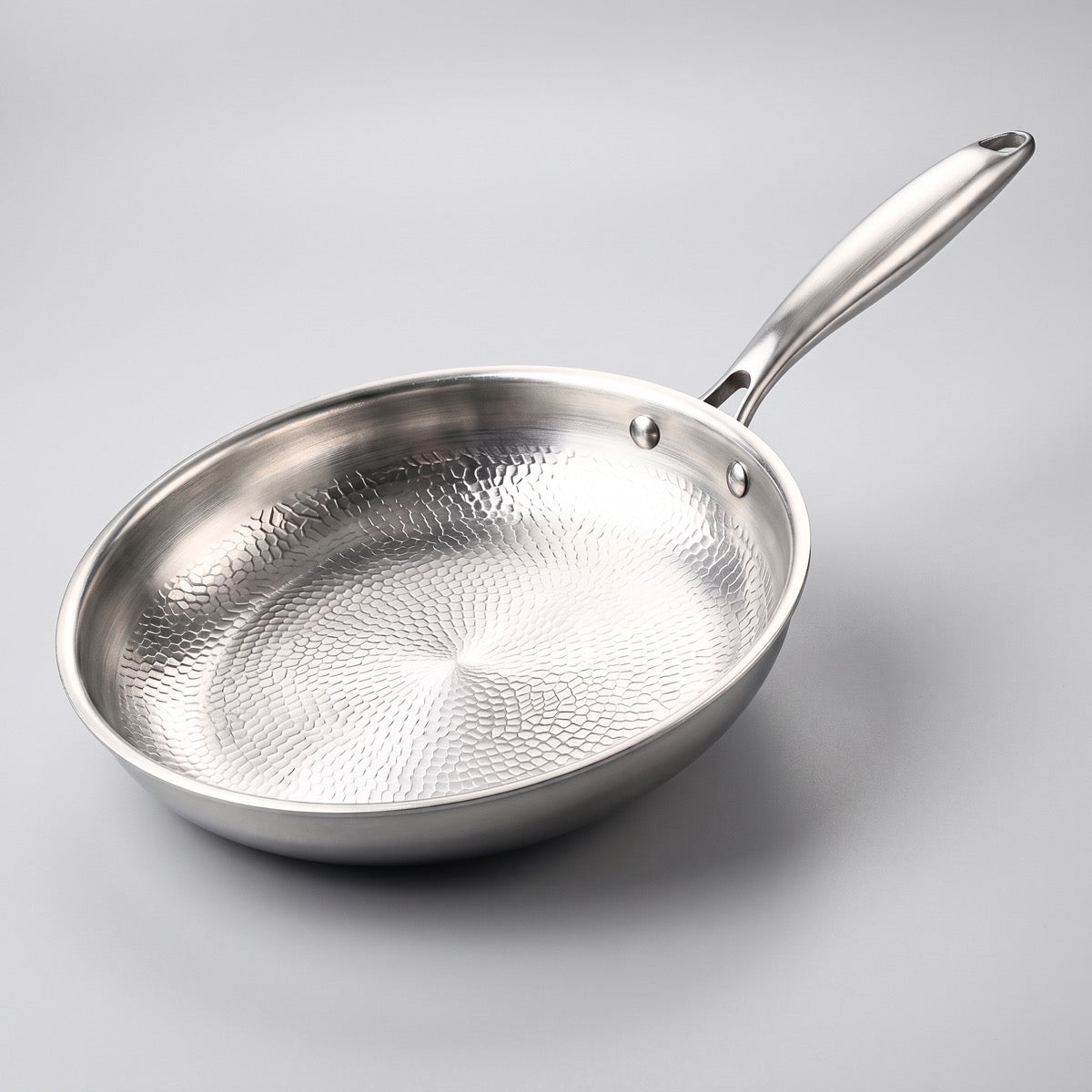
Uncoated frying pans: your real options
Ceramic may be PFAS-free, but it is still a coating. Here are the frying pans with no coating at all, what each material asks of you and who it suits best.